


◎100% Pure Essential Oil
Lanluis Hong Kong
Chamomile German Essential Oil
Chamomile German Essential Oil
A rich herbal-sweet aroma with a soft apple-like note, helping the mind settle and the night feel more peaceful.
Chamomile German Essential Oil carries a gentle herbaceous scent with subtle fruity sweetness. Its calming aroma helps ease pressure, soften emotional tension, and create a quieter atmosphere for rest. 100% pure Chamomile German Essential Oil is especially suitable for evening rituals, sensitive moments, or times when the body and mind need a slower, more comforting pause.
Use with Lanluis Ceramic Aroma Diffuser or your preferred diffuser to create a peaceful space in the living room, bedroom, or study — a quiet aromatic ritual for calm, comfort, and gentle release.
Product Details
Botanical Name: Matricaria recutita
Origin: Bulgaria
Aroma: Soft, herbal, slightly sweet, with a gentle apple-like note
Extraction Method: Steam Distillation
Plant Family: Asteraceae
Volatility: Middle Note
Extracted From: Flowers
Estimated Delivery
October 01Couldn't load pickup availability
Chamomile German brings a calm, herbaceous aroma that helps ease emotional tension and invite the mind into rest.
Its gentle apple-like sweetness adds a comforting layer, helping the mood feel quieter and more reassured. It is especially suitable when stress, pressure, or restlessness makes it difficult to fully relax.
Chamomile German is often loved in body-care rituals for its comforting and soothing character.
When properly diluted with a carrier oil, it can be used to support tired areas, ease mild discomfort, and bring a gentler feeling to sensitive or irritated skin. Its soft herbal warmth makes it a beautiful companion for evening massage or calming body care.
Chamomile has travelled through European herbal culture for centuries — from household tea cupboards and bathing rituals to monastery gardens, apothecaries, and quiet evening remedies. Long before it became an essential oil, it was already a familiar flower of comfort in daily life.
The reason we now have Chamomile German and Chamomile Roman is because the name “Chamomile” has been used across different regions for more than one daisy-like medicinal flower. Over time, different European traditions kept using their own local chamomile plants, and the names became a way to tell these plants apart.
German Chamomilea, a chamomile species strongly connected with Central and Northern European herbal traditions. In places such as Germany and surrounding regions, chamomile became one of the most common household herbs. Roman Chamomile refers to Anthemis nobilis / Chamaemelum nobile. Its name is linked to its historical association with Rome and European cultivation, while nobilis means “noble.” In Western European herbal culture, Roman Chamomile became known as a valued garden and healing herb, often planted close to homes and used in gentle daily care.
So although both carry the name “Chamomile,” they come from different botanical and cultural paths. One grew closely with the household herbal traditions of Central Europe; the other carries the older Roman and Western European association of a noble garden herb. Together, they show how one small flower became many stories across European plant care.
A clear herbal-woody-floral blend that opens the breath, clears heaviness, and settles into gentle calm.
Eucalyptus opens the blend with a clean, breathable herbal freshness that awakens the senses. Juniper Berry follows with a steady woody-green note, helping the aroma feel clearer and more grounded. Chamomile German finishes with a soft, calming floral-herbal layer, creating a layered herbal–woody–floral aroma that gradually lifts tiredness while guiding the mood back into a more balanced and peaceful rhythm.
Ideal for seasonal fatigue, emotional heaviness, tense breathing spaces, or moments when you want to feel clearer, calmer, and gently steadied.
• Cis-β-Farnesene
• Bisabolol Oxide
• Germacrene D
- Do not apply directly to the skin.
- Do not ingest.
- For external use only. For sensitive skin, this essential oil may cause irritation. Please perform a patch test before use.
- Avoid contact with sensitive areas such as the eyes and mouth. Use with care.
- Store in a cool, dry place, away from direct sunlight and out of reach of children.
- To avoid overstimulation, do not use essential oils that are oxidised or have noticeably changed in scent.
- If you are pregnant, breastfeeding, taking medication, or have a long-term health condition, please consult a qualified aromatherapist or healthcare professional before use.
* A complimentary gift message card is available. If you would like to include one, simply leave your message or notes at checkout, and we will send it with your order.
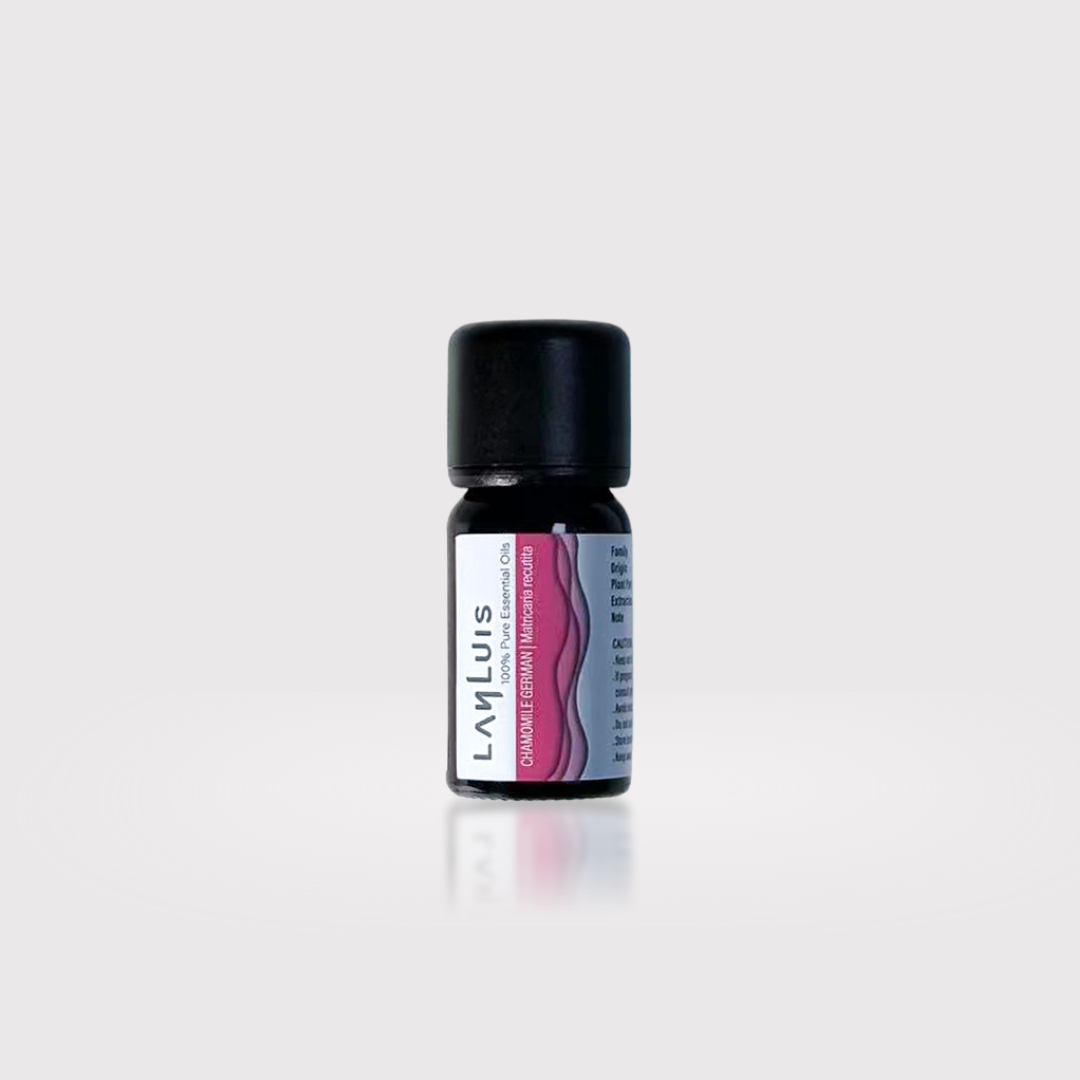

Chamomile German Essential Oil

Which Chamomile Oil Should You Choose?
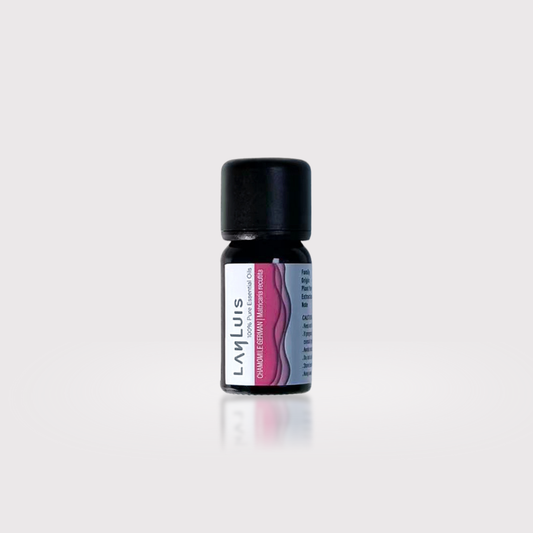 Current product Current product
|
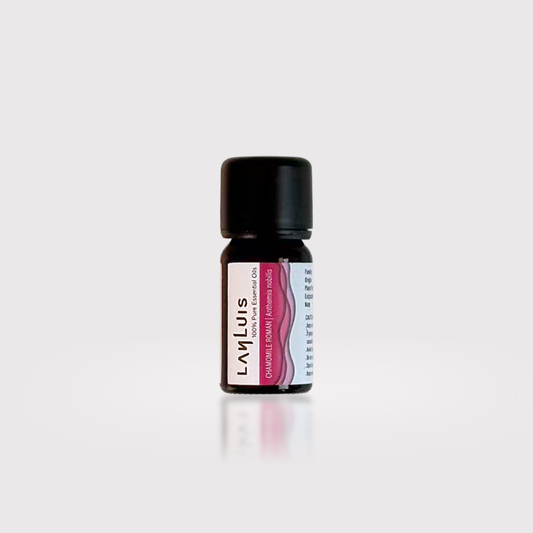
|
| Pure essential oil | Pure essential oil |
Chamomile German Essential Oil |
Chamomile Roman Essential Oil |
|
Price:
Regular price
$620.00
Sale price
$620.00
Regular price
Unit price
per
|
Price:
Regular price
$520.00
Sale price
$520.00
Regular price
Unit price
per
|
|
Aroma Profile
Rich, sweet herbal aroma with a subtle apple-like note, bringing a deep sense of calm. |
Aroma Profile
Light fruity, floral, and herbal aroma that gently eases daily tension and anxiousness. |
|
What Makes It Different
Chamomile German comes from Matricaria recutita, a chamomile species long associated with European herbal traditions, especially German household and wellness use. It has a deeper, more herbaceous character than Roman Chamomile and is especially loved for sensitive skin care, emotional steadiness, and deeper comfort rituals. |
What Makes It Different
Chamomile Roman comes from Chamaemelum nobile, a different botanical species from Chamomile German. The name “Roman” is linked to its historical cultivation in Rome, while nobile means “noble.” It feels lighter, sweeter, and more airy than Chamomile German. |
|
Best For
Deep relaxation, improving sleep quality, easing stress, and supporting emotional stability. |
Best For
People with busy or demanding routines, those who find it hard to fall asleep, people looking to improve sleep quality, and those under long-term high-pressure conditions. |
Oil Profile
|
Oil Profile
|
| View product | View product |
Pair It With

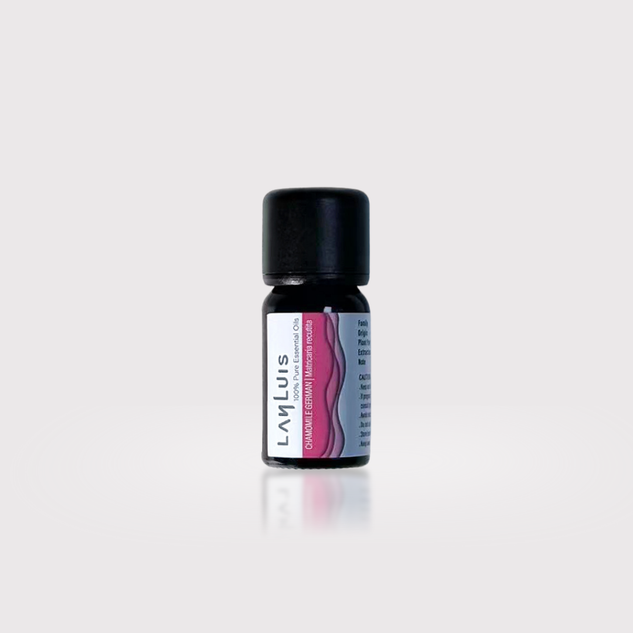
Chamomile German Essential Oil
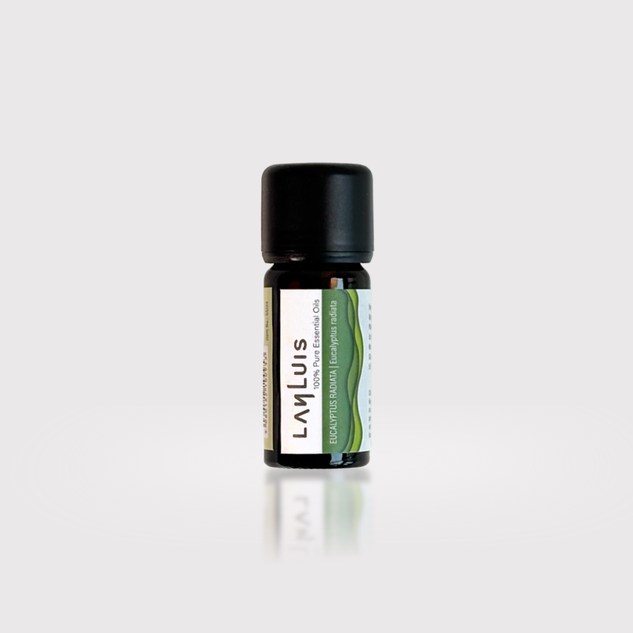
Eucalyptus Essential Oil
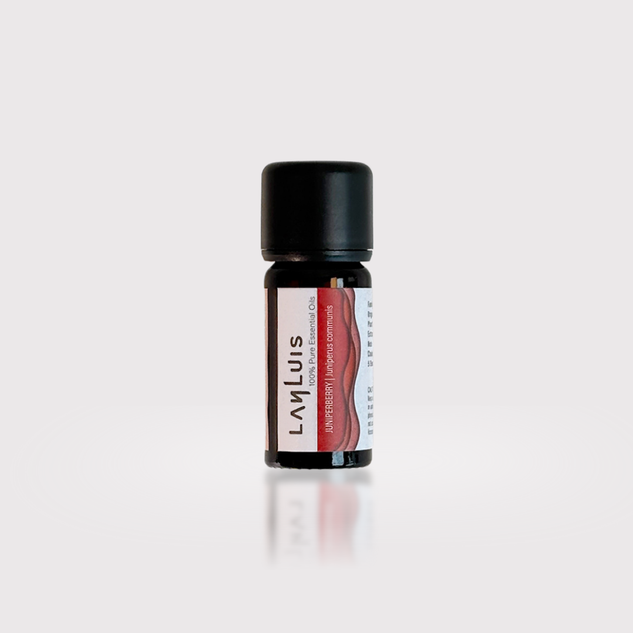
Juniperberry Essential Oil
Aroma Insights “Like the first moment your body touches bed after a long day, a gentle softness settles in, and the mind begins to grow still.”

How It Softens Your Mind
Chamomile German brings a calm, herbaceous aroma that helps ease emotional tension and invite the mind into rest.
Its gentle apple-like sweetness adds a comforting layer, helping the mood feel quieter and more reassured. It is especially suitable when stress, pressure, or restlessness makes it difficult to fully relax.

How It Softens Your Body
Chamomile German is often loved in body-care rituals for its comforting and soothing character.
When properly diluted with a carrier oil, it can be used to support tired areas, ease mild discomfort, and bring a gentler feeling to sensitive or irritated skin. Its soft herbal warmth makes it a beautiful companion for evening massage or calming body care.

The Story of Chamomile
Chamomile has travelled through European herbal culture for centuries — from household tea cupboards and bathing rituals to monastery gardens, apothecaries, and quiet evening remedies. Long before it became an essential oil, it was already a familiar flower of comfort in daily life.
The reason we now have Chamomile German and Chamomile Roman is because the name “Chamomile” has been used across different regions for more than one daisy-like medicinal flower. Over time, different European traditions kept using their own local chamomile plants, and the names became a way to tell these plants apart.
German Chamomilea, a chamomile species strongly connected with Central and Northern European herbal traditions. In places such as Germany and surrounding regions, chamomile became one of the most common household herbs. Roman Chamomile refers to Anthemis nobilis / Chamaemelum nobile. Its name is linked to its historical association with Rome and European cultivation, while nobilis means “noble.” In Western European herbal culture, Roman Chamomile became known as a valued garden and healing herb, often planted close to homes and used in gentle daily care.
So although both carry the name “Chamomile,” they come from different botanical and cultural paths. One grew closely with the household herbal traditions of Central Europe; the other carries the older Roman and Western European association of a noble garden herb. Together, they show how one small flower became many stories across European plant care

Inside Every Drop
• cis-β-Farnesene carries a soft calming note that helps support relaxation and ease emotional tension.
• Bisabolol Oxide, known for its soothing character, is often valued in skin-care rituals for comforting sensitive or tired-feeling skin.
• Germacrene D adds a gentle herbal depth that supports a calm, grounding aromatic profile.

How to Use the Aroma Diffuser
1 | Open the aroma diffuser
Remove the cover and prepare the diffuser for use.
2 | Add clean water
Pour in around 60ml of clean water, or fill to about half of the diffuser bowl.
3 | Add essential oil
Add your chosen essential oil into the water. Adjust the number of drops according to your personal preference and room size.
4 | Keep the diffuser dry on the outside
If there is any excess water on the outside of the diffuser, wipe it dry with a clean cloth before use.
5 | Choose your preferred setting
Select your preferred mode and let the aroma flow gently through your space.
How to Fit Chamomile German Into Your Rhythm
Best for anxious evenings, sleep rituals, and moments when you want a soft floral aroma to help your space feel calmer, gentler, and easier to rest in.
-

When you are in a hurry
Quick Inhalation
Add 1 drop of essential oil onto a tissue, handkerchief, or aroma stone.
Hold it around an arm’s length away, take a slow breath, and let the scent gently bring you back to the present moment.
Note: Avoid applying undiluted essential oil directly onto the skin.
-

When you will be staying in the same space for a while
Aroma Diffuser / Burner
Add 8–10 drops of essential oil to every 100ml of water to create a calm aromatic atmosphere and refresh the air around you.
-

When your body feels sore or tired
Massage
Add 8–10 drops of essential oil to every 20ml of carrier oil.
Gently massage onto the body to support relaxation and ease physical tension.
-

When the weight of the day feels too much
Bath Ritual
Add 4–6 drops of essential oil to bath water.
Let the warm water and aroma help your body unwind after a long day.
-

When you want mental clarity and inner peace
Meditation Support
Apply properly diluted essential oil onto the wrists, or diffuse during meditation to create a calmer, more focused space.


Note: Avoid applying undiluted essential oil directly onto the skin.
You Might Want to Know
Collapsible content
1. Why does it take so much plant material to make essential oil?
Essential oils are highly concentrated botanical extracts. The aromatic compounds are present in very small amounts within flowers, leaves, fruits, roots, or other plant parts, so a large amount of plant material is needed to produce even a small amount of essential oil.
This is also why pure essential oils are so concentrated, aromatic, and powerful in use.
2. Do all plants require the same amount of material to produce essential oil?
No. Different plants contain different levels of aromatic compounds, so the amount of raw plant material needed can vary greatly.
For example, rose essential oil requires a very large amount of rose petals, while some herbal oils may require much less plant material to extract the same amount of oil.
3. Why are some essential oils more expensive than others?
The price of an essential oil depends on several factors, including the rarity of the plant, its origin, harvesting conditions, extraction difficulty, and yield.
Some oils, such as rose essential oil, require a large amount of raw material and delicate extraction, which makes them more costly. In general, pure, high-quality, well-tested essential oils are priced higher because of their sourcing and production standards.
4. How can essential oil quality be assured?
High-quality essential oils should come from carefully grown and harvested plants, and should be extracted through suitable professional methods.
Lanluis essential oils are tested to help ensure they are free from unnecessary additives, artificial fragrance, and unwanted impurities, while preserving the natural aromatic profile of the plant.
5. What should I pay attention to when using essential oils?
- Essential oils are highly concentrated and should be used with care.
- Do not apply undiluted essential oil directly onto the skin. Always dilute with a suitable carrier oil before topical use.
- Avoid contact with the eyes, mouth, and other sensitive areas.
- Keep away from children and pets.
- If you are pregnant, breastfeeding, taking medication, or have a long-term health condition, consult a qualified professional before use.
- Different essential oils may not suit everyone. For example, people with G6PD deficiency should avoid certain oils such as peppermint oil.


